
Location Detail
Commercial Concrete Contractor In Frisco
Concrete planning and execution support for developers, building owners, and facilities teams in Frisco, TX. This page covers local project context, practical delivery strategy, and long-term asset considerations.
Overview
Concrete Services in Frisco
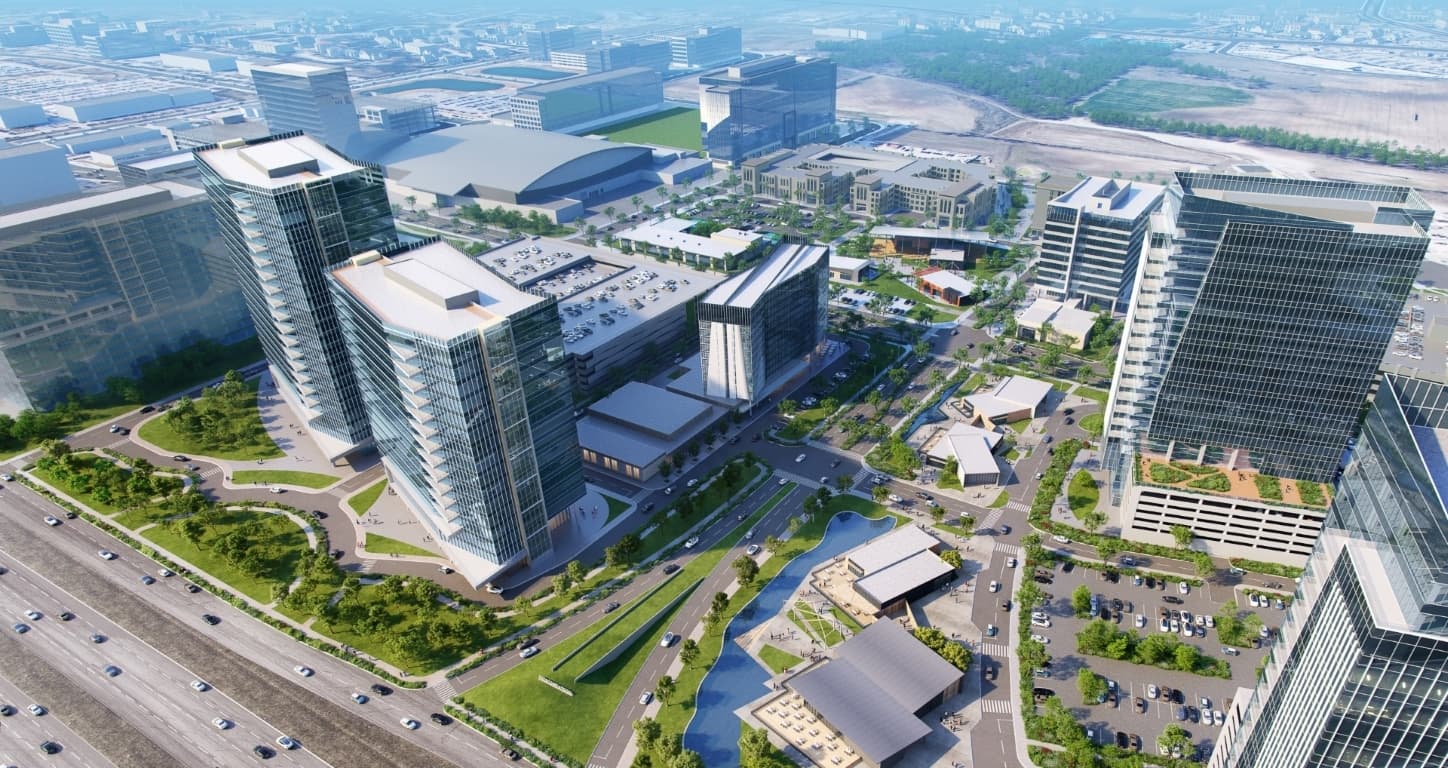
Frisco, TX projects are strongly influenced by access through Dallas North Tollway, SH 121, US-380 and by demand from new mixed-use districts, sports and entertainment-adjacent growth, regional retail expansion. Successful concrete delivery in this market depends on clear preconstruction scope, schedule alignment, and field-quality controls tied to local site conditions.
In this location, teams commonly prioritize aggressive delivery timelines, multi-stakeholder approvals, phased turnover by district. Treating those priorities as core bid-stage requirements usually leads to cleaner execution and fewer downstream conflicts.
- Primary corridor context: Dallas North Tollway, SH 121, US-380
- Typical demand drivers: fast-track commercial scopes, public-realm concrete, high-demand parking and access work
- Development pattern focus: new mixed-use districts, sports and entertainment-adjacent growth, regional retail expansion
- Lifecycle-ready handoff planning for facilities and operations teams
Commercial Shell And Structural Concrete
Foundation, slab, and structural support packages aligned with new mixed-use districts and sports and entertainment-adjacent growth project demands.
Industrial And Logistics Flatwork
Heavy-use slab and paving scopes designed for fast-track commercial scopes with durable sequencing for active operations.
Sitework, Access, And Drainage Integration
Civil handoff and concrete execution focused on multi-stakeholder approvals and long-term site circulation performance.
Delivery Process
How We Work in Frisco
Step 1
Local Scope And Corridor Review
Define project goals and site constraints in Frisco, with access and staging assumptions tied to Dallas North Tollway and SH 121 and US-380.
Step 2
Permit And Compliance Mapping
Map permits, inspections, stormwater controls, and accessibility requirements to responsible project stakeholders.
Step 3
Constructability And Sequencing
Coordinate civil handoff, utility interfaces, and concrete installation strategy for fast-track commercial scopes and related scopes.
Step 4
Field Execution And Quality Controls
Execute concrete work with weather-aware placement windows, hold-point checks, and daily coordination across trades.
Step 5
Turnover And Maintenance Setup
Deliver closeout materials and lifecycle notes that support facilities teams after occupancy and ongoing operations.
Benefits
Built for Frisco Schedules
Location-Aware Planning
Scope and sequencing decisions are aligned to local access and development realities in Frisco, TX.
Compliance Visibility
Permit, stormwater, safety, and accessibility obligations are identified early to reduce inspection friction.
Execution Stability
Field workflows are driven by weather, access, and active-site constraints common across the DFW market.
Operational Handoff
Closeout records support long-term maintenance planning and phased upgrades for occupied assets.
Coverage
Areas in and Around Frisco
Local Planning Guide
Concrete Delivery Context For Frisco
This section provides location-focused planning details for ownership and project teams evaluating scope, sequencing, and long-term performance in Frisco.
Commercial Concrete Market Context In Frisco, TX
Frisco sits in Collin and Denton counties and connects through Dallas North Tollway, SH 121, US-380. For owners and developers, that corridor access typically drives how projects are phased, how deliveries are routed, and how quickly concrete scopes can move from planning to field execution. In practical terms, commercial concrete demand in this location is often tied to new mixed-use districts, sports and entertainment-adjacent growth, regional retail expansion. These project types require early coordination between civil grading, structural requirements, and operations timelines to keep project momentum intact.
Most projects in this submarket prioritize schedule reliability and long-term asset performance. That is why scope packages should identify not only installation tasks, but also access assumptions, traffic controls, and acceptance criteria before procurement. In Frisco, developers frequently align planning around fast-track commercial scopes, public-realm concrete, high-demand parking and access work. When these demand drivers are acknowledged up front, teams can avoid avoidable scope drift and keep downstream trades aligned with concrete sequencing milestones.
Climate, Subgrade, And Site Preparation Realities
North Texas weather can move quickly between heat, rain events, and sharp seasonal swings. For concrete scopes, that means placement windows and curing plans should be reviewed frequently and adjusted as forecasts evolve. Strong teams pair daily weather review with a field-ready contingency plan that addresses moisture management, protection materials, and labor sequencing. In the Frisco market, this approach is often more valuable than rigid schedules because it protects placement quality under real field conditions.
Subgrade behavior is another critical local variable. Before major placements, owner teams should verify soil and drainage assumptions through project-specific geotechnical information and construction-era observations. Practical planning includes confirming compaction strategy, utility backfill condition, and water movement across the site after rain. These checks are especially important where project goals include aggressive delivery timelines and multi-stakeholder approvals. Early subgrade discipline reduces rework risk and improves long-term surface performance.
Permitting, Compliance, And Public Interface Coordination
Every location has its own permitting sequence and inspection workflow, so local coordination should begin early in design development. In Frisco, project teams usually benefit from publishing one permit and inspection matrix that tracks responsibilities for civil, building, and utility approvals. Concrete scopes also intersect with accessibility and safety requirements, so dimensions, slopes, and work-zone controls should be reviewed before field execution rather than corrected after placement.
When land disturbance is part of the project, stormwater planning also needs clear ownership. Texas construction projects often require erosion and sediment controls tied to permit obligations, with documentation maintained throughout construction. A durable compliance strategy links those requirements to daily field activities and turnover documentation. In busy corridors like Dallas North Tollway and SH 121 and US-380, this discipline helps teams protect public access while still advancing construction safely and predictably.
Execution Sequencing For Active Commercial Properties
A large share of commercial concrete work in Frisco occurs on sites that remain partially occupied or operational during construction. This creates planning constraints around trucking routes, customer access, and service continuity. Effective execution plans therefore define temporary circulation routes, delivery windows, and communication checkpoints before mobilization. Teams should also align demolition, grading, and placement steps so each phase leaves the site in a stable condition for the next trade.
Projects tied to new mixed-use districts or sports and entertainment-adjacent growth frequently include overlapping stakeholders such as owners, tenants, and municipal reviewers. To keep progress stable, teams usually define hold points for survey control, pre-pour checks, and post-placement protection. This process prevents cascading delays and avoids the common problem of discovering conflicts after concrete has already been placed. For owner groups focused on uptime, this level of sequencing control is a core requirement.
Lifecycle Planning And Facilities Handoff
Long-term value in concrete projects is created when maintenance needs are considered during design and construction, not after closeout. In Frisco, facilities teams often manage a mix of older and newer assets, which makes clear documentation especially important. Closeout packages should include accepted drawing revisions, inspection records, and notes on maintenance-sensitive areas such as joints, drainage transitions, and high-wear traffic lanes.
For assets in submarkets like Frisco Station area and SH 121 commercial corridor, practical lifecycle planning also includes identifying inspection intervals and defining repair sequencing that minimizes tenant disruption. When ownership teams document these procedures at turnover, they can respond quickly to wear and changing operational demands without starting from scratch each time. This creates a more resilient property operation model and supports better budget planning over the asset lifecycle.
Preconstruction Checklist
- Confirm corridor-specific access assumptions for Frisco using Dallas North Tollway / SH 121 / US-380 as planning inputs.
- Publish one permit, inspection, and compliance matrix before mobilization.
- Validate subgrade and drainage readiness before concrete scheduling is finalized.
- Coordinate accessibility dimensions and route transitions with final site layout.
- Assign SWP3 and erosion-control responsibilities in writing for disturbed areas.
- Use weather-based contingency planning for placement, finishing, and curing.
- Capture closeout records with lifecycle notes for facilities and operations teams.
- Plan maintenance priorities for submarkets including Frisco Station area and SH 121 commercial corridor.
Reference Sources
Public sources that inform the regional planning guidance shown on this location page.
- NWS Fort Worth Forecast Office
Regional weather context used for concrete placement windows and curing protection plans.
- USDA NRCS Web Soil Survey
Soils and subgrade reference data used during preconstruction evaluation and drainage planning.
- TCEQ Construction Stormwater Resources
Texas stormwater permit guidance used when land disturbance triggers SWP3 requirements.
- TxDOT Project Development Process
Transportation corridor context and public right-of-way coordination references.
- ADA 2010 Design Standards
Accessibility criteria used for routes, parking geometry, ramps, and site entries.
- OSHA Construction Standards (29 CFR 1926)
Construction safety framework informing active-site planning and field controls.
FAQ
Frequently Asked Questions
Do you work directly with owners and developers in Frisco, TX?
Yes. Projects in Frisco, TX are structured around direct coordination with owners, developers, and facilities teams. That model keeps decision-making closer to field conditions and helps align concrete scopes with real business constraints such as access continuity, phased occupancy, and turnover dates.
What project types are most common for concrete work in Frisco, TX?
Common demand is tied to fast-track commercial scopes, public-realm concrete, high-demand parking and access work. These scopes are usually part of broader development programs that also include utility upgrades, traffic circulation adjustments, and phased opening schedules.
How should teams plan weather and curing for Frisco, TX projects?
Concrete planning in Frisco, TX should include a weather-responsive approach with daily forecast checks, contingency timing, and protection materials ready before placement starts. This helps preserve finish quality and reduces risk when temperature and precipitation conditions change quickly.
What compliance topics should be reviewed early on city projects?
Review permit sequencing, stormwater responsibilities, safety controls, and any ADA-driven layout requirements as early as possible. A single compliance tracker with responsible parties and due dates helps avoid late-stage corrections and supports smoother inspections.
How can facilities teams improve long-term concrete performance after turnover?
Facilities teams usually get better outcomes by setting inspection intervals, documenting high-wear zones, and keeping joint and drainage maintenance procedures in one accessible record set. This allows repairs to be planned proactively rather than in emergency conditions.
Which local corridors most affect site logistics in Frisco, TX?
Dallas North Tollway, SH 121, US-380 are major logistics influences for planning delivery windows, haul paths, and temporary traffic controls. Coordinating routing and staging around these corridors can significantly improve field productivity and safety during concrete placement cycles.
Need Concrete Support in Frisco?
Share your project scope and we can coordinate planning and next steps.